History of Lukasiewicz - Tele and Radio Institute
Roots dating back almost a century
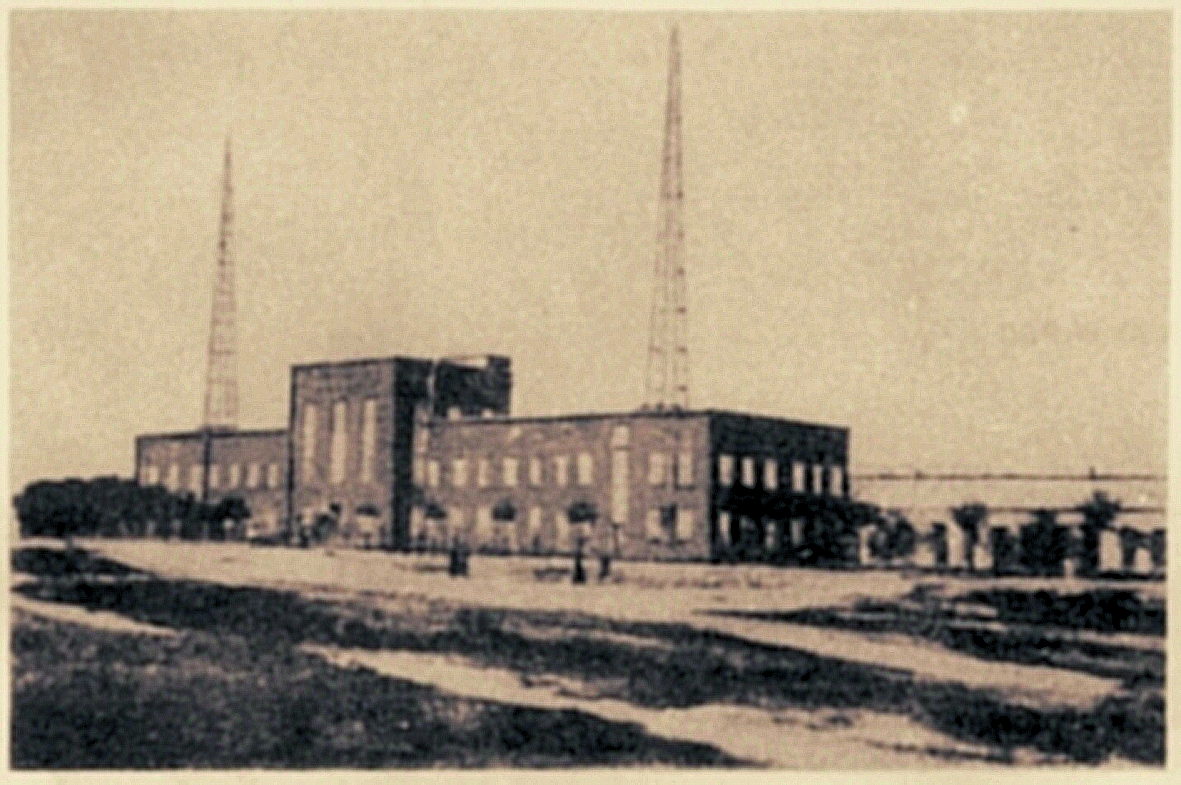
The history of the Tele and Radio Research Institute is a story of pioneering research, innovative solutions and the constant pursuit of the development of Polish technical thought. The origins date back to 1929, when the Tele and Radio Technical Institute was established – the first such institution in the country, focusing on research in the field of radioelectronics. Among its structures were departments for electron tubes, broadcast control, piezoelectric and magnetic materials, and a testing department.
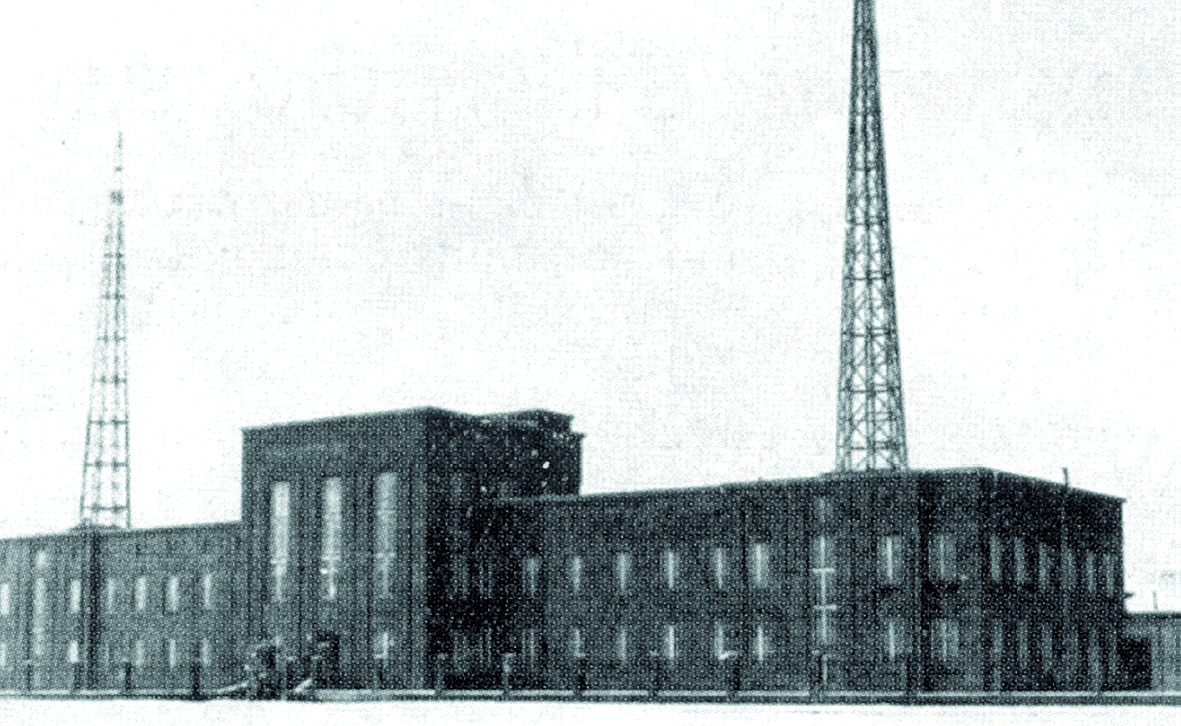
In 1934, as a result of a merger with the Teletechnical Laboratory of the Ministry of Posts and Telegraphs, the State Telecommunications Institute was established. Its headquarters became the buildings at 11 Ratuszowa Street in Warsaw – a place that remains the heart of the Institute’s activities to this day.
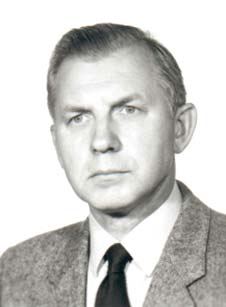
The newly established unit was headed by a prominent scientist, Professor Janusz Groszkowski – considered the father of Polish radioelectronics. His contribution was commemorated with a bust that has adorned the main entrance of the Institute since 1988.
Pre-war pioneering and wartime challenges
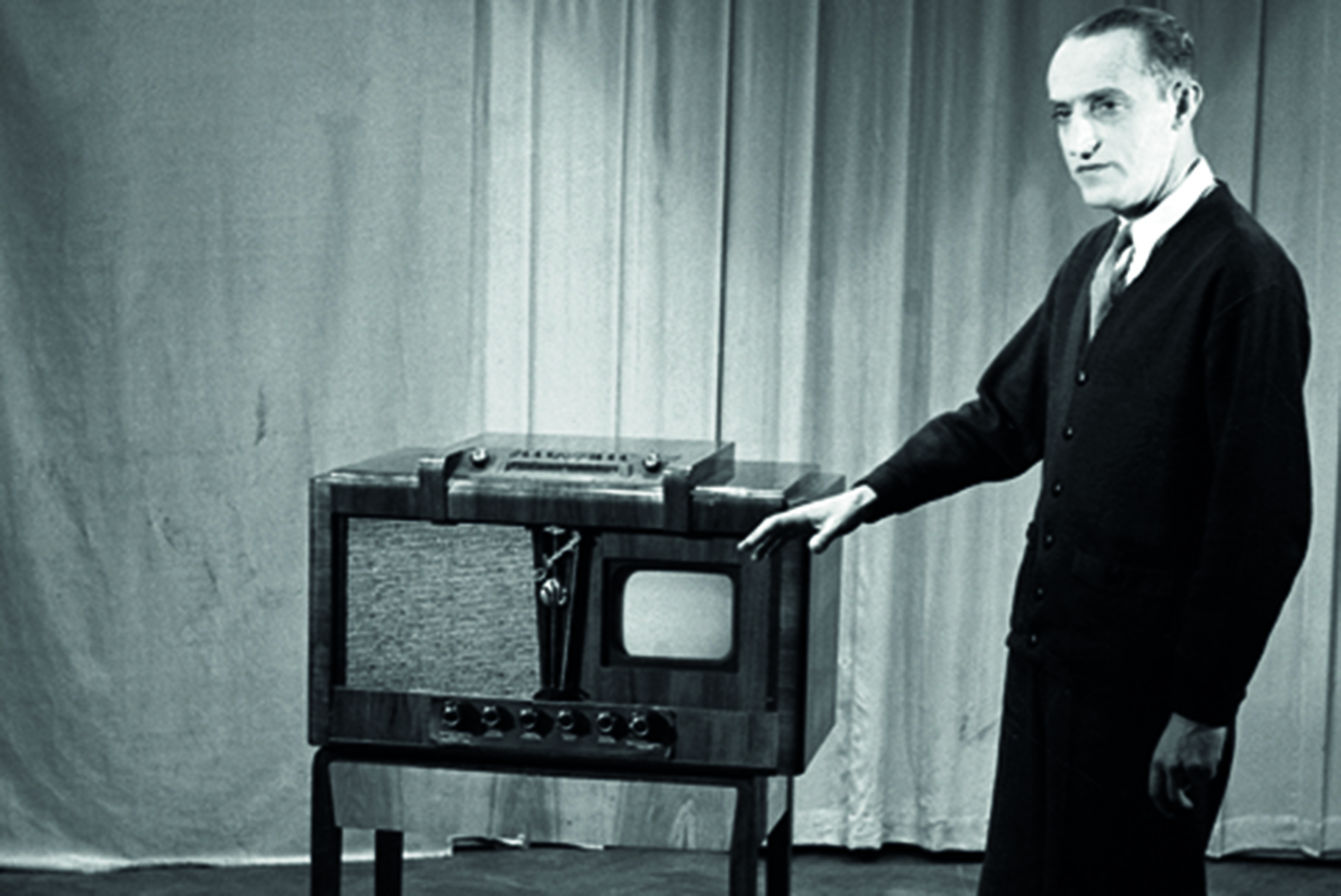
In the following years, the Institute not only continued the research it had begun earlier, but dynamically expanded its activities. As early as 1935, it established the first television department in Poland, whose work led to the launch in 1937 of an experimental television station in the “Prudential” building. – a real breakthrough in the history of domestic technology.
Until the outbreak of World War II, the institute employed about 350 specialists. During the German occupation, its buildings were taken over by the “Werkstatt für Fernmeldetechnik” plant. Nevertheless, already in the autumn of 1944, shortly after the liberation of Prague, the former employees spontaneously resumed scientific activities – a symbol of determination and dedication.
Post-war development and new structures
The 1950s saw a reorganization of the scientific and research institutes. In 1951, the National Telecommunications Institute was divided into two separate centers: The Industrial Telecommunications Institute and the Telecommunications Institute. In 1956, from the merger of parts of the PIT and the Central Telecommunications Construction Bureau, the Telecommunications and Radio Institute was established, with Kazimierz Cieliszak, M.Sc. as its first director.
The Institute grew rapidly – branches were established in Gdansk (specializing in radio navigation), Wroclaw (measuring and microwave material technologies), Warsaw and Bydgoszcz. Over time, many research and experimental facilities were spun off as independent production or research units, allowing the Institute to focus on electronics and serve as a research and development base for the electronics industry.
New directions and specialization (1970-1990)
The 1970s saw another change in the focus of activity – the Institute concentrated on the design and technology of passive components: resistors, capacitors, piezoelectric and magnetic components, and printed circuit technology. Development also included ultrasound technology, technological metrology and materials engineering.
In 1972, expansion of the research infrastructure was completed – a modern technology building and a wastewater neutralizer were put into operation. New plants were established, such as the Piezoelectric Filter Plant and the RLC Subassembly Plant. In 1975, the Institute was also incorporated into the UNITRA-ELPOD Passive Components Combine and acted as coordinator of the “passive components” development program under PR3.
During this period, the Institute’s work was of crucial importance to many industrial plants in Poland – not only those under the Ministry of Engineering Industry. Electronics became a strategic field, and ITR became one of the pillars of its development.
Transformation of the 1990s and surviving the crisis
The early 1990s brought a deep crisis – the electronics industry was in a slump, and economic reform led to the liquidation of many overarching structures. The institute was forced to radically restructure: unprofitable cells were eliminated, administration was reduced, and employment fell by more than 50%.
Thanks to the determination of the team, the Institute has survived and found new areas of activity – including in the electric power industry, which has become one of the pillars of further development.
On September 1, 2007, the Tele and Radio Research Institute was consolidated with the Industrial Institute of Electronics. After this consolidation, the topics carried out by PIE were taken up at ITR. These included Vacuum Technologies with Laboratory, Thermochemical Technologies and Process Automation.
New era: Lukasiewicz Research Network
On April 1, 2019, the Tele and Radio Research Institute became part of the Lukasiewicz Research Network – a nationwide structure linking 38 research institutes. The purpose of the Network is to support public administration and business in innovative projects, commercialization of research results and development of modern technologies.
In turn, on November 1, 2019, the Lukasiewicz Institute of Applied Optics was added to the Tele and Radio Institute. prof. Maximilian Pluta. As a result, the Institute’s field of activity has been expanded to include research in optometry and ophthalmology, interferometry, spectrophotometry, optoelectronics and computer image and signal analysis.
Today Lukasiewicz – ITR is a modern research and development unit, continuing a long tradition of innovation – at the interface of science, industry and business.
Gallery